
Eat more of this & less of that
Smarter swaps for your favourite Chinese New Year goodies

(PHOTO CREDIT: Aroastock from aroastock.com)
Chinese New Year is a time of tradition, connection and food that brings people together. It is completely normal to enjoy richer dishes and nostalgic snacks during celebrations. From a nutrition perspective, the issue is rarely the food itself, but how easy it is to graze through large amounts over several days and then feel overly full, sluggish or thirsty afterwards.
This guide is not about cutting anything out. Restriction tends to backfire and avoiding the foods you genuinely enjoy can increase cravings later. Instead, the aim is to honour cravings, enjoy the festive dishes you love, and build your plate in a way that helps you feel energised and satisfied for longer.
To make this simple, Ellie Cheale, UFIT’s in-house dietitian, uses an approach “more of this and less of that”. It’s not about rules, but balance:
More of this – Foods that are high in fibre, protein, water content or volume, helping you stay fuller for longer and feel good through long celebration days.
Less of that – The rich, more ultra-processed festive foods that are absolutely part of the tradition but feel heavier when eaten in larger amounts.
You can still enjoy everything on the table. This framework simply helps you feel your best while doing so.
- Snacks
Chinese New Year snacks are iconic, nostalgic and incredibly easy to graze on throughout the day. Instead of thinking in terms of “good” or “bad”, a helpful approach is simply choosing more of the foods that keep you satisfied for longer, and less of the ones that disappear by the handful.
More of this:
Mandarin oranges, mixed fresh fruit platters, dried fruit without added sugar with unsalted nuts and seeds, or homemade lower sugar bakes.
Less of that:
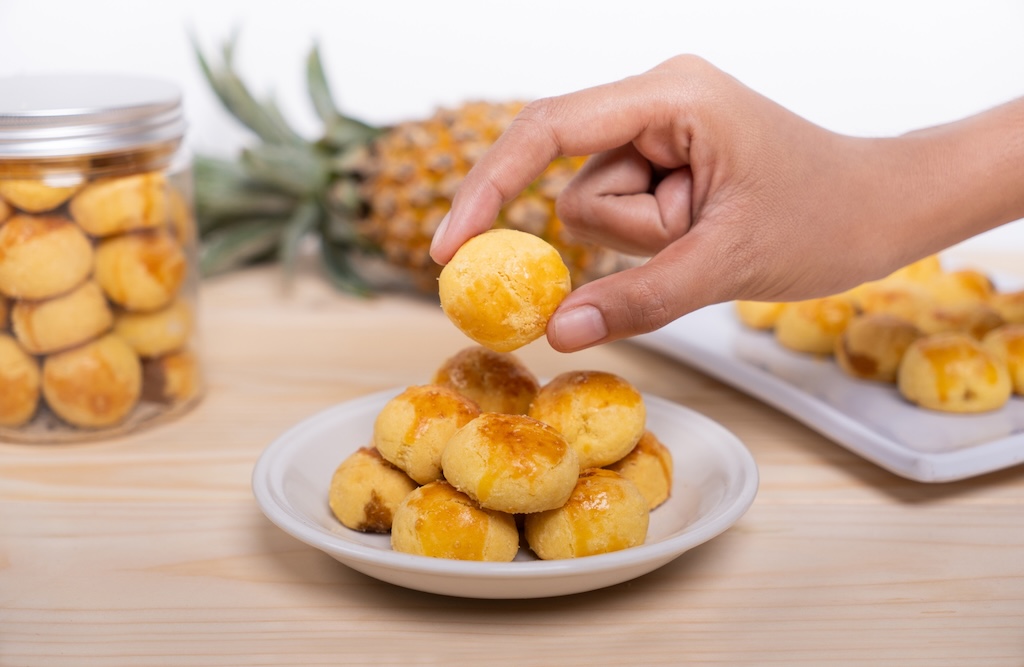
Pineapple tarts. (PHOTO CREDIT: Panadesign from Panacreative Studio)
Pineapple tarts, bak kwa and deep-fried snacks, but aim to eat them deliberately/ mindfully rather than continuously grazing. A useful tip is to portion them out, rather than eat them straight from the container.
Why:
Fresh fruit and nuts offer more fibre, water and nutrients, which help regulate appetite and prevent the classic festive energy crash. Higher energy density snacks like pineapple tarts and bak kwa can add up quickly without increasing fullness, so keeping them as intentional treats let you enjoy them without feeling overly stuffed later.
- Hotpot broth
Hotpot is a centrepiece of many reunion dinners, and the broth you choose sets the tone for the entire meal. It affects how heavy the meal feels, how thirsty you get afterwards, and how much sodium you unknowingly take in.
More of this:
Clear chicken or vegetable stock, homemade broths, or low sodium bases. These keep the meal lighter and let the natural flavours of the ingredients shine.
Less of that:
Creamy, spicy or oily bases such as mala, laksa or rich concentrated soups. These are delicious and absolutely have their place, but they tend to transform a relatively balanced meal into one that feels much heavier.
Why:
Mala, laksa and creamy broths often contain 1,000 to 2,000 mg sodium per serving, which significantly contributes to your intake of the WHO daily sodium recommendation of 2,000 mg per day in a single bowl, not counting dipping sauces or other dishes that day. High sodium meals contribute to fluid retention, higher blood pressure and that “puffy and thirsty” feeling many people notice the next morning. Clear broths help keep hydration and comfort in a better place, especially when celebrations stretch over several days. One high sodium meal is not ‘unhealthy’ when enjoyed in moderation, so choose to enjoy these foods mindfully as special occasions.
Healthier dips:
Try soy sauce with sliced chili, sesame oil with garlic or a vinegar-based dip. These add flavour without the heavy salt and oil load of some shop-bought sauces.
- Less processed, more whole foods
Chinese New Year meals often include a wide mix of fresh dishes alongside convenience items. While both show up at the table, leaning more towards whole foods help keep meals satisfying and nutritionally balanced without changing the overall experience.
More of this:
Fresh chicken, beef, pork, fish, prawns, tofu, tempeh and eggs. For main meals or hotpot, aim for roughly 120 to 150 g cooked protein per person as a general guide.
Less of that:
Hotdogs, sausages, luncheon meat, fish balls and other highly processed meats.
Why:
Whole protein sources are generally higher in protein quality and lower in sodium and saturated fat. Processed meats are easy to overeat, especially in hotpot settings, and tend to add salt and calories quickly without contributing much to fullness. Choosing more fresh protein supports satiety, muscle maintenance, and more stable energy and blood sugar responses.
- Drinks
Drinks are often an overlooked source of sugar during festive gatherings. Sweetened beverages can quietly add large amounts of energy without affecting fullness, making them an easy place to apply the “more of this, less of that” approach.
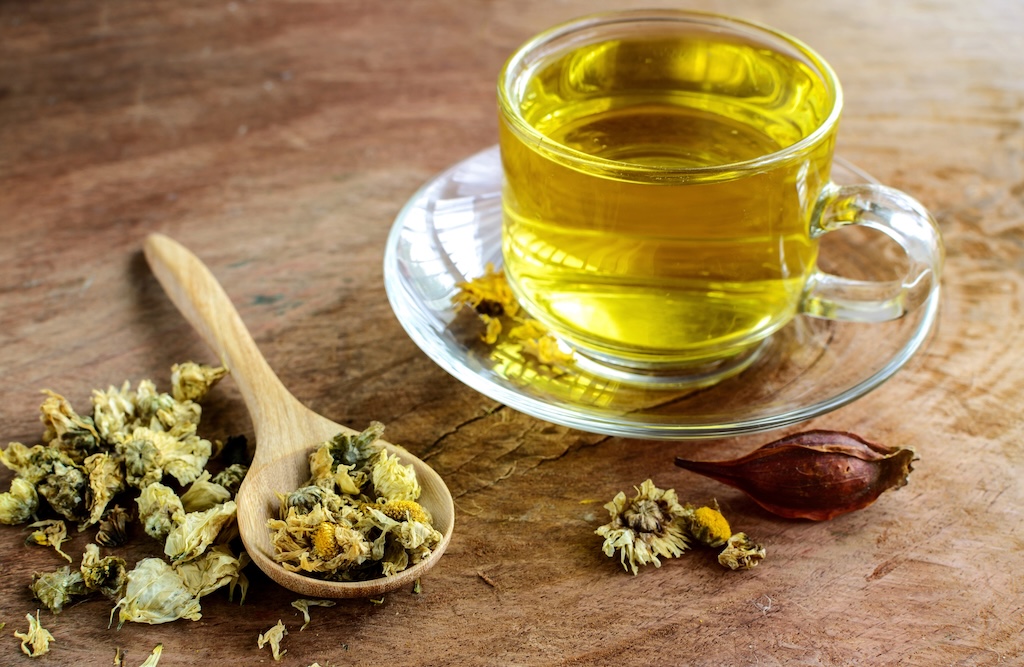
Chrysanthemum tea with reduced sugar. (PHOTO CREDIT: kitzcorner from Getty Images Pro)
More of this:
Red date tea, chrysanthemum tea with reduced sugar, unsweetened green tea, plain water or lightly infused water with lemon or cucumber.
Less of that:
Soft drinks, high sugar packet drinks and sweetened teas.
Why:
Sweetened drinks can contain the equivalent of several teaspoons of sugar per serving, and can contribute to rapid energy spikes and crashes without supporting hydration or fullness. Choosing lower sugar options support more stable energy levels and help you feel better between meals, especially during multi-day celebrations.
- Yu Sheng
Yu Sheng is symbolic, social and meant to be enjoyed together. Small tweaks to the balance of ingredients can make a meaningful difference without changing the tradition.
More of this:
Extra vegetables such as carrots, radish and cucumber, along with salmon for Omega-3 fats.
Less of that:
Large amounts of crackers and generous pours of plum or sweet sauce.
Why:
Vegetables add volume, fibre and crunch with minimal energy, while salmon contributes healthy fats and protein. Crackers and sauce are the most energy-dense components of Yu Sheng and are easy to overdo, so scaling these back slightly keep the dish lighter while still enjoyable.
Bonus tip: A note on mindful choices
Rather than rules or limits, focus on awareness. Serve food onto a plate, pause between refills and prioritise the dishes you genuinely enjoy. This approach helps you stay comfortable, satisfied and present during celebrations without feeling restricted.
** UFIT’s Nutritional Services offer one-on-one consultations tailored to one’s goals across weight management, sports nutrition, clinical nutrition, healthy ageing or general health. It also offers other services including personal training, physiotherapy and reformer pilates.
0 Comments